
Vinyl fence installation in Twin Falls runs $25 to $40 per linear foot installed, depending on fence height, panel style, and site conditions. For a typical 150-foot privacy fence, expect somewhere between $3,750 and $6,000 before gates or demo work.
Those numbers shift fast. A 6-foot privacy fence costs more than a 4-foot picket. Rocky or uneven ground in the Magic Valley area adds labor time. If you have an old wood fence that needs to come out first, add somewhere around $500 to $1,500 depending on size and how it was originally set.
In 2026, material costs have stayed relatively stable, but labor hasn’t. Crew availability in Twin Falls and the surrounding area (places like Jerome, Burley, Kimberly) affects pricing more than most people expect. Get quotes early if you’re planning a spring or summer install.
The other thing worth knowing upfront: vinyl in high desert conditions isn’t foolproof. Sun exposure, freeze-thaw cycles, and wind loading in the Magic Valley all put stress on posts and panels. A fence installed with shallow post depth or cheap panel connectors will show problems within a few years. Before long you will se warping, leaning, panels popping loose in wind. Proper installation matters as much as the material itself.
This covers what goes into a real quote, where costs vary, and what separates a fence that holds up from one that doesn’t.
Quick answer: average vinyl fence installation cost in 2026
Most professionally installed vinyl fences in 2026 cost about $35 to $85 per linear foot for common residential projects. Decorative ranch rail or shorter picket styles can cost less, while tall privacy fences, premium colors, heavy-duty posts, and complex layouts can cost more.
For a typical backyard privacy fence, many homeowners should budget around $7,000 to $14,000 for 150 linear feet, depending on height, gates, site access, and the exact vinyl product selected.
| Vinyl fence style | Typical installed cost in 2026 | Common use | Cost notes |
|---|---|---|---|
| 2-rail or 3-rail vinyl ranch fence | $25 to $45 per linear foot | Decorative boundaries, rural properties, large yards | Lower material coverage, usually no full privacy |
| 4-foot vinyl picket fence | $30 to $55 per linear foot | Front yards, garden areas, decorative fencing | More affordable than privacy fencing |
| 5-foot semi-private vinyl fence | $40 to $70 per linear foot | Side yards, pools, partial screening | More material and more layout detail |
| 6-foot vinyl privacy fence | $45 to $85 per linear foot | Backyards, pets, privacy, security | Most common residential privacy option |
| Decorative-top privacy vinyl fence | $55 to $95 per linear foot | Premium curb appeal and privacy | Lattice, accents, and trim increase cost |
| 7-foot to 8-foot custom vinyl fence | $75 to $110+ per linear foot | Maximum screening, special layouts | May require code review, heavier posts, and added reinforcement |
These are planning ranges, not a fixed quote. A straight, easy-access yard will usually price lower than a sloped corner lot with multiple gates, demolition, and hard digging.
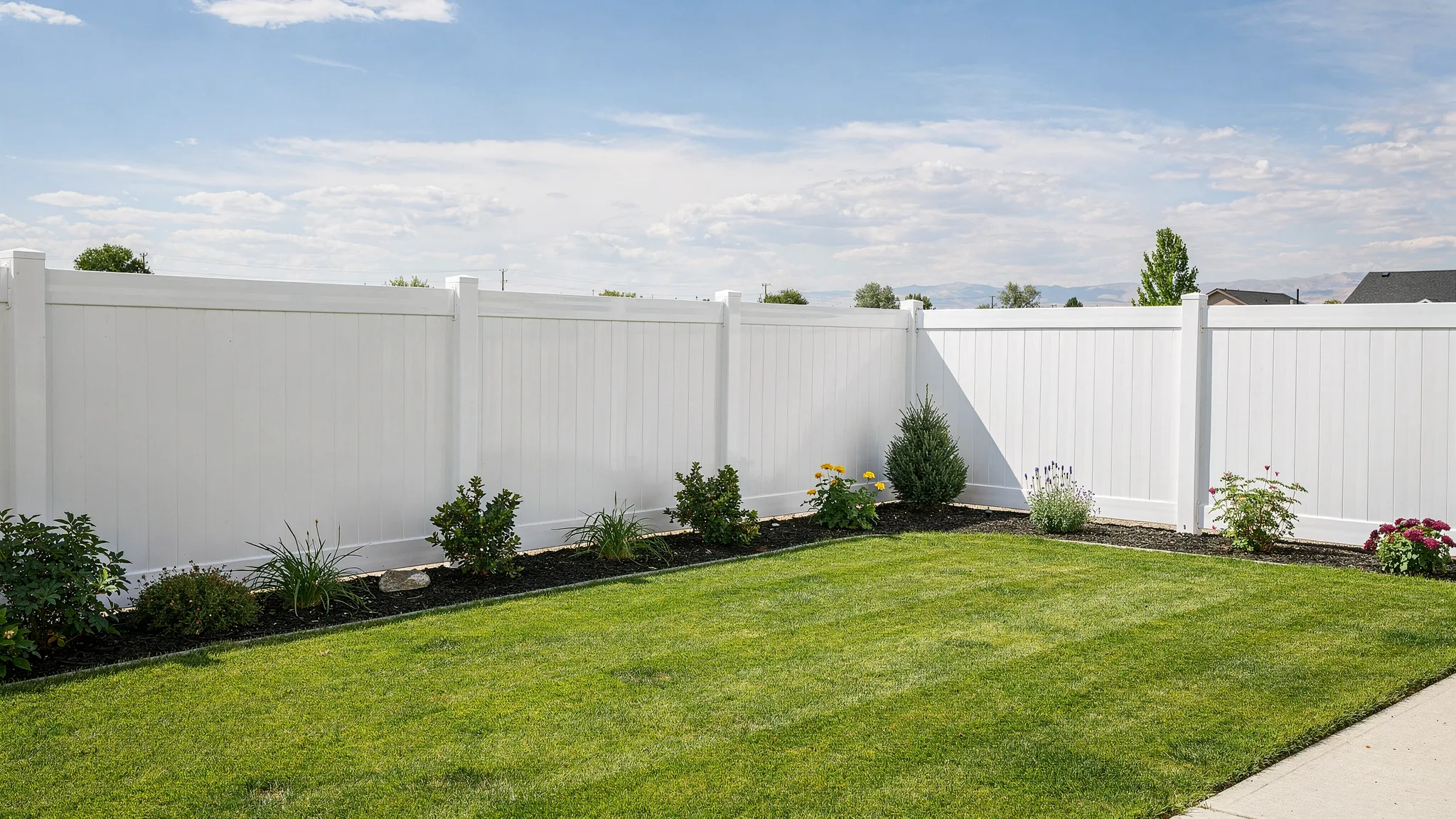
Why vinyl fence prices vary so much
The cost of a vinyl fence is not just the panel price multiplied by the length of your property line. Two fences with the same linear footage can have very different prices because of layout, hardware, terrain, and the amount of labor required.
A simple rectangular backyard with one gate is usually more efficient to install than a property with short fence runs, several corners, uneven ground, irrigation obstacles, and two or three gates. Corners, end posts, gate posts, and transitions all add material and labor.
Fence height and privacy level
Height is one of the biggest cost drivers. A 4-foot picket fence uses less material than a 6-foot privacy fence. Privacy panels also require more vinyl, stronger rails, and more careful post setting because they catch more wind.
In areas around Twin Falls where wind exposure can be an issue, a taller privacy fence needs to be installed with the right post depth, concrete, spacing, and bracing. Cutting corners here may lower the upfront price, but it can lead to leaning posts, loose panels, or gate problems later.
Vinyl quality and product design
Not all vinyl fencing is built the same. Wall thickness, UV protection, rail design, post strength, color stability, and hardware quality all affect performance. Lower-cost vinyl may look similar when new, but better products generally hold up better against sun exposure, temperature swings, and daily use.
For Idaho homeowners, UV resistance matters. Vinyl fencing is popular partly because it does not rot or need staining, but quality still matters if you want the fence to look good for decades.
Gates and hardware
Gates are often one of the most underestimated parts of a fence budget. A walk gate costs more than the same width of standard fence because it needs reinforced posts, hinges, latches, framing, and careful alignment. Drive gates or double gates cost more again.
If the gate will be used daily, it is worth choosing stronger hardware. A cheaper gate that sags, drags, or stops latching properly can quickly become one of the most frustrating parts of the fence.
Ground conditions and access
Soil can make a major difference in labor. Rocky ground, compacted soil, roots, old concrete footings, irrigation lines, and limited equipment access can increase installation time. Sloped yards may require stepped panels, racked panels, custom cuts, or additional planning.
Good contractors factor these details into the quote instead of surprising you halfway through the job.
Old fence removal
If you already have a wood, chain link, or damaged vinyl fence in place, removal and disposal may be a separate line item. The cost depends on how much fence needs to be removed, whether posts are set in concrete, and how easy the debris is to haul away.
If your existing fence is partly usable, it may be worth comparing repair and replacement. For help with that decision, see our guide to fence repair cost.
Typical vinyl fence cost breakdown
Many fence quotes bundle labor and materials together, but it helps to understand where the money goes. The table below shows common cost components that affect a 2026 vinyl fence estimate.
| Cost item | Typical 2026 budget impact | Why it matters |
|---|---|---|
| Vinyl panels, posts, rails, caps, and hardware | $20 to $45 per linear foot | Product quality, style, height, and color affect material cost |
| Professional layout, post digging, concrete, and assembly | $15 to $35 per linear foot | Labor varies by soil, access, slope, and layout complexity |
| Single walk gate | $350 to $900 each | Includes gate frame, hinges, latch, reinforced posts, and alignment |
| Double gate or drive gate | $900 to $2,500+ each | Larger openings require stronger framing and hardware |
| Old fence removal | $3 to $10 per linear foot | Heavier debris and concrete-set posts cost more to remove |
| Difficult terrain, rock, roots, or steep slope | $5 to $20+ per linear foot | Extra labor, tools, and custom fitting may be needed |
| Permits, HOA review, or special requirements | Varies by location | Rules may affect height, placement, pool barriers, and corner visibility |
Before digging, underground utilities should be marked. In Idaho, homeowners and contractors can use Idaho Digline or call 811 to help prevent utility damage.
What vinyl fence installation costs in 2026 – Sample vinyl fence budgets for 2026
The easiest way to understand vinyl fence pricing is to look at realistic project examples. These examples assume standard white vinyl, professional installation, normal access, and no major retaining walls or unusual permitting issues.
| Example project | Likely budget range | What is included |
|---|---|---|
| 80 linear feet of 6-foot privacy vinyl with one walk gate | $4,000 to $7,800 | Small side yard or partial backyard enclosure |
| 150 linear feet of 6-foot privacy vinyl with one walk gate | $7,000 to $14,000 | Typical residential backyard privacy project |
| 200 linear feet of semi-private or privacy vinyl with two gates | $9,500 to $18,500 | Larger yard, more access points, added hardware |
| 300 linear feet of 3-rail vinyl ranch fence | $7,500 to $14,500 | Decorative or boundary fence with lower material coverage |
| 250 linear feet of premium decorative-top privacy vinyl | $14,000 to $24,000+ | Higher-end appearance, more trim, more material detail |
If your property has a steep grade, old concrete footings, tight access, or a lot of corners, your quote may be higher. If your layout is simple and the fence style is standard, it may fall toward the lower end.
Is vinyl fencing worth the higher upfront cost?
Vinyl usually costs more upfront than basic wood or chain link. The tradeoff is that vinyl requires far less routine maintenance. You do not need to stain, seal, or repaint it every few years. Most cleaning can be handled with water, mild soap, and occasional spot cleaning.
That is why vinyl often makes sense for homeowners who plan to stay in the home for several years and want a clean, low-maintenance fence. Wood may have a lower initial price, but long-term staining, repairs, and board replacement can narrow the gap over time. For a deeper comparison, read Vinyl vs Wood Fencing: Which is Right for You?.
A quality vinyl fence can often last 25 to 30 years when installed correctly and maintained with basic cleaning. For local lifespan expectations by material, see How Long Should a Fence Last in Twin Falls?.
| Installed price for 150 feet of vinyl privacy fence | Estimated service life | Simple annualized cost before minor repairs |
|---|---|---|
| $7,500 | 25 years | $300 per year |
| $10,500 | 30 years | $350 per year |
| $14,000 | 30 years | $467 per year |
This simple math does not include financing, repairs, or inflation, but it shows why the cheapest upfront fence is not always the lowest-cost fence over time.
How to lower your vinyl fence installation cost without regretting it
There are smart ways to reduce cost, and there are risky shortcuts. The goal is to simplify the project without sacrificing the parts that keep the fence strong and functional.
- Choose a standard white vinyl style if color is not a priority.
- Keep the layout as straight and simple as possible.
- Limit the number of gates to the ones you will actually use.
- Use full privacy fencing only where you need screening.
- Clear brush, debris, and movable obstacles before installation.
- Phase the project if your budget does not allow the full property at once.
- Avoid saving money by using undersized posts, weak gate hardware, or shallow post holes.
If privacy is only needed near a patio or neighboring home, you may not need a 6-foot privacy fence around the entire yard. Some homeowners combine privacy vinyl with lower-cost options in less visible areas. Our overview of types of fencing can help you compare practical alternatives.
DIY vs professional vinyl fence installation
DIY vinyl fencing can look attractive because you avoid part of the labor cost. Material-only budgets often fall below professional installed pricing, but the final savings may be smaller after concrete, tools, haul-off, delivery, layout mistakes, and extra time are included.
Vinyl is less forgiving than some homeowners expect. Post spacing needs to match the panel system. Gates need strong posts and careful alignment. Sloped yards require planning so panels do not leave awkward gaps. If posts are not set properly, the fence may look good at first but shift over time.
Professional installation is especially worth considering if your project includes a privacy fence, multiple gates, a corner lot, pets, pool safety concerns, slope, or exposed wind conditions. In the Twin Falls area, proper post setting is a major part of long-term performance.
Permits, property lines, and HOA rules
Before installing a vinyl fence, confirm property lines and any local requirements that apply to your address. Fence rules can vary depending on whether you are inside city limits, in the county, or part of an HOA.
Common rules may address fence height, front-yard placement, corner visibility, easements, pool barriers, and setbacks. Even when a permit is not required, a fence built in the wrong location can create expensive problems later.
If you are unsure, ask your fencing contractor what information you should verify before installation. A good quote should account for layout, access, gate placement, and any known restrictions.
When vinyl may not be the best choice
Vinyl is excellent for privacy, low maintenance, and a clean residential look. It is not always the best fit for every property.
If the main goal is the lowest possible upfront price, chain link or wire fencing may be more affordable. If you need livestock containment, agricultural fencing is usually a better match. If your fence is likely to take heavy impacts from equipment, animals, or vehicles, another material may be more practical.
For cost-focused projects, you may also want to compare our guide to the cheapest fence to install in Twin Falls.
What to ask before accepting a vinyl fence quote
A low price is not always a good deal if the scope is unclear. Before choosing a contractor, make sure you understand exactly what is included.
Ask about the vinyl product, fence height, post depth, concrete use, gate hardware, removal of old fencing, cleanup, expected timeline, and any warranty information provided by the manufacturer or installer. Also ask how the contractor handles slopes, corners, sprinkler lines, utility marking, and changes discovered during digging.
The best quote is not just a number. It should give you confidence that the fence will be built for your property, your needs, and Idaho conditions.
Frequently Asked Questions
How much does vinyl fence installation cost in 2026? Most professionally installed vinyl fences cost about $35 to $85 per linear foot in 2026. Simple ranch rail or picket styles may cost less, while tall privacy fences, premium colors, difficult terrain, and multiple gates can cost more.
How much does 150 feet of vinyl privacy fence cost? A 150-foot vinyl privacy fence often costs about $7,000 to $14,000 installed, depending on height, gate count, material quality, removal needs, and ground conditions.
Is vinyl fencing cheaper than wood? Vinyl is usually more expensive upfront than wood, but it requires much less maintenance. Over the long term, vinyl can be a better value for homeowners who want to avoid staining, sealing, and frequent board replacement.
What adds the most cost to a vinyl fence? Height, privacy panels, gates, old fence removal, rocky soil, steep slopes, premium colors, decorative tops, and complex layouts are the most common cost increases.
Does vinyl fencing hold up in Twin Falls weather? Quality vinyl fencing can perform well in Twin Falls when installed correctly. Wind exposure, UV, and freeze-thaw conditions make proper post depth, concrete, product quality, and gate hardware important.
Do I need a permit for a vinyl fence in Twin Falls? Requirements depend on your property location, fence height, placement, and whether you have an HOA. Check with the appropriate city, county, or HOA office before installation.
Get a clear vinyl fence estimate for your property
Online price ranges are useful for planning, but your actual vinyl fence installation cost depends on your yard, layout, gates, and goals. Twin Falls Fencing installs residential, commercial, and agricultural fencing throughout Twin Falls and nearby Idaho communities, including vinyl, wood, chain link, gates, repairs, and custom fence planning.
If you want a fence that looks good and is built for local conditions, request a free fencing consultation from Twin Falls Fencing. We can help you compare options, understand the true cost, and choose a vinyl fence that fits your property and budget.