
Types of Fencing
Call right now to learn how we can help improve your yard!
Wood, vinyl, chain link, aluminum, composite, and split rail are the main fence types for residential properties. Wood runs $15-30 per linear foot installed depending on species – pressure-treated pine cheapest, cedar mid-range, redwood highest. Vinyl costs $25-40 per foot, lasts longest with zero maintenance. Chain link is $8-20 per foot, cheapest option but provides no privacy. Aluminum ornamental fencing hits $20-35 per foot, looks fancy but doesn’t block views. Composite runs $30-45 per foot, minimal maintenance like vinyl. Split rail costs $10-20 per foot, marks boundaries without creating barriers.
Function determines fence type more than anything else. Need privacy? Wood or vinyl. Need to contain dogs? Chain link or wood. Want decorative boundary? Aluminum or split rail. Need security? Steel or aluminum with tight spacing. Trying to keep deer out of garden? Tall woven wire. Each fence type solves specific problems. Picking the wrong type means you spend money on something that doesn’t do what you need.
Twin Falls Fencing installs all fence types. What people pick depends on budget, purpose, and property type. We see people mess this up constantly – buying chain link when they need privacy, installing split rail when they need dog containment. Get clear on what you’re trying to accomplish before picking fence type.
Wood Fencing Breaks Into Categories
Wood fencing isn’t one thing. Different styles serve different purposes.
Privacy fence uses boards installed side-by-side with minimal gaps. Six feet tall standard. Blocks sight lines completely. Costs $20-30 per foot for cedar, $15-22 for pressure-treated pine. Most common residential wood fence in Twin Falls. Works for privacy, blocks wind, contains dogs, reduces noise from neighbors.
Picket fence uses vertical boards with gaps between them. Three to four feet tall typically. Decorative more than functional. Doesn’t provide privacy. Doesn’t contain medium or large dogs. Works for front yards where codes restrict height or where you want visible boundary without creating fortress appearance. Costs $15-25 per foot installed.
Shadowbox fence alternates boards on opposite sides of rails. Creates interesting pattern. Allows some airflow. Provides decent privacy from straight-on viewing but you can see through at angles. Costs 15-20 percent more than standard privacy fence because of additional boards and labor. Popular when people want privacy but worry about wind load or creating totally closed-in feeling.
Board-on-board overlaps boards on same side. Complete privacy from both directions. Better wind resistance than solid board fence because air can move through slightly. Costs 15-20 percent more than standard privacy fence. Works well in Twin Falls where wind is significant factor.
Split rail uses horizontal rails between posts. Two or three rails typical. Marks property boundaries without blocking views. Contains horses and large livestock but not dogs or small animals. Costs $10-20 per foot. Common for rural properties, ranch-style homes, large lots where privacy isn’t goal.
Vinyl Fence Styles Mirror Wood Options
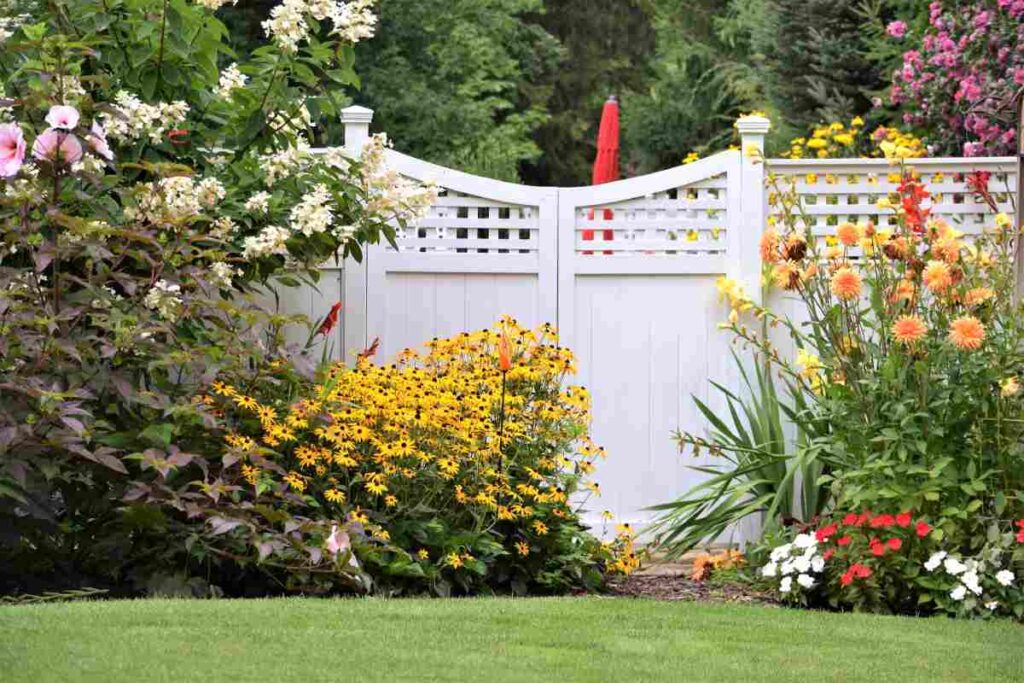
Vinyl comes in styles that match wood fence types. Privacy, picket, shadowbox, ranch rail. The material is different but designs are similar.
Privacy vinyl uses solid panels with no gaps. Completely opaque. Six feet standard height. Costs $25-40 per foot installed. More expensive than wood upfront but maintenance-free. Over 20-30 years total cost is competitive with wood once you factor in sealing and repairs wood needs.
Picket vinyl mimics traditional white picket fence. Three to four feet tall. Decorative boundary.
Costs $20-30 per foot. Never needs painting which is the main appeal – white picket fence without the maintenance nightmare of keeping it painted.
Ranch rail vinyl copies split rail look. Two to four horizontal rails. Decorative boundary marking. Costs $15-25 per foot. Popular for suburban properties wanting that rural ranch appearance without using actual wood that rots and needs replacement.
Lattice-top vinyl combines solid lower section with decorative lattice panel on top. Provides privacy at eye level while looking less fortress-like. More expensive than solid vinyl, usually $30-45 per foot. Appeals to people who want privacy without totally blocking light and air.
Chain Link Serves Specific Purposes
Chain link is woven steel wire fabric stretched between posts. Comes in different gauges and heights. Gets a bad reputation for looking industrial but it works for certain situations.
Standard residential chain link uses 11-gauge or 9-gauge wire. Four to six feet tall common. Completely see-through. Provides zero privacy. Contains dogs effectively if installed properly. Costs $8-15 per foot for basic galvanized. Cheapest fence option that actually contains animals.
Vinyl-coated chain link has colored coating over steel. Black or green most common. Looks slightly better than bare metal. Costs $10-18 per foot. Coating eventually wears through after 15-20 years but improves appearance while it lasts.

Privacy slats insert into chain link mesh. Thin plastic or metal strips woven through fabric. Blocks most views but not completely. Costs additional $3-6 per foot on top of chain link price. Compromise solution when you need chain link durability but want some privacy.
Chain link makes sense for specific needs – dog kennels, temporary fencing, properties where codes require it, extreme budget situations, perimeter fencing for large properties where cost of wood or vinyl would be prohibitive. Not ideal for residential backyards where aesthetics and privacy matter.

Aluminum Ornamental Fencing Looks Fancy
Aluminum fence uses vertical pickets welded to horizontal rails. Powder-coated finish. Mimics wrought iron appearance without the rust and maintenance. Comes in various styles from simple to elaborate.
Flat-top aluminum has straight top rail. Clean simple look. Three to six feet tall available. Costs $20-30 per foot installed. Works for boundaries, decorative accents, areas where you want visibility but need defined edge.
Spear-top aluminum has pointed pickets. Traditional ornamental look. More formal appearance than flat-top. Costs $25-35 per foot. Common around pools where codes require fencing but you don’t want solid barrier blocking views.
Aluminum provides no privacy. You see right through it. Doesn’t block wind. Doesn’t reduce noise. Functions purely as decorative boundary and provides some security by being difficult to climb. Works for front yards, pool enclosures, commercial properties, anywhere appearance matters more than privacy.
Maintenance is minimal. Powder coat lasts 15-20 years. Eventually might need repainting but aluminum doesn’t rust so underlying structure stays solid indefinitely. Lasts 30-40 years easily in Twin Falls climate.
Steel Fencing for Security
Steel fence is heavier-gauge metal than aluminum. Stronger. More expensive. Used when security matters or when higher strength is necessary.
Ornamental steel uses similar designs as aluminum but with heavier material. Costs $30-50 per foot installed. Significantly harder to cut or bend than aluminum. Common for commercial properties, high-security residential applications, areas with codes requiring certain strength ratings.
Welded wire steel uses heavy-gauge wire welded into rigid panels. Often used for security fencing, commercial applications, livestock containment. Four to eight feet tall typical. Costs vary widely based on gauge and height, usually $15-35 per foot installed.

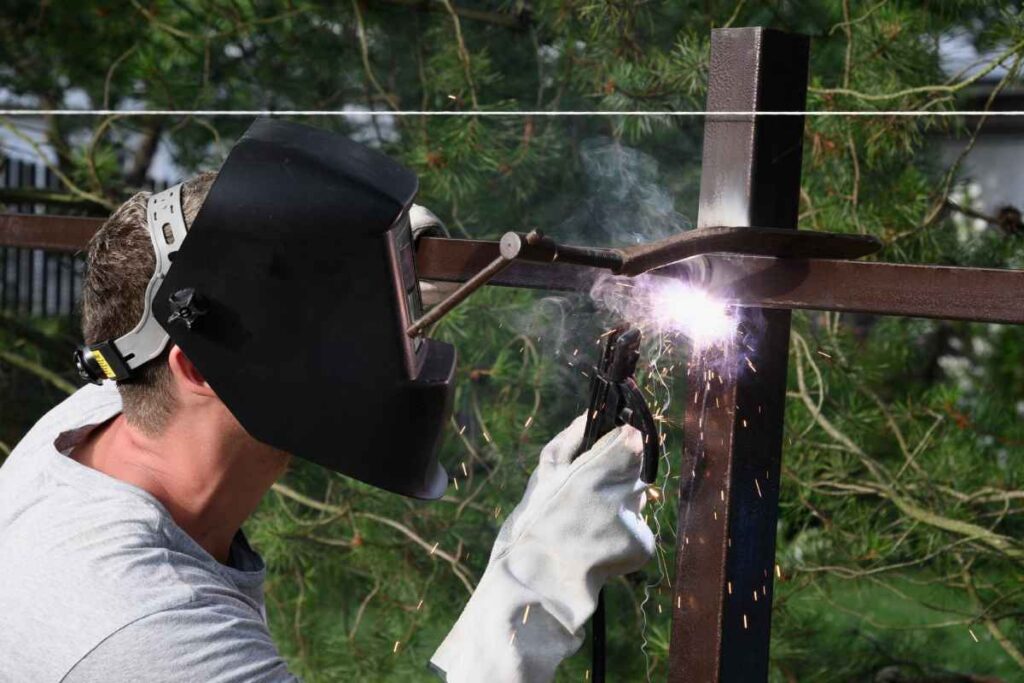
Steel rusts if coating fails. Powder coating or galvanizing protects it but eventually wears through in spots. Then rust starts. Maintenance requires addressing rust spots before they spread. More maintenance than aluminum but strength advantage matters for security applications.
Most residential properties don’t need steel. Aluminum handles typical residential needs fine. Steel makes sense for commercial properties, high-security areas, or when building codes specifically require certain strength specs.
Composite Fence Material
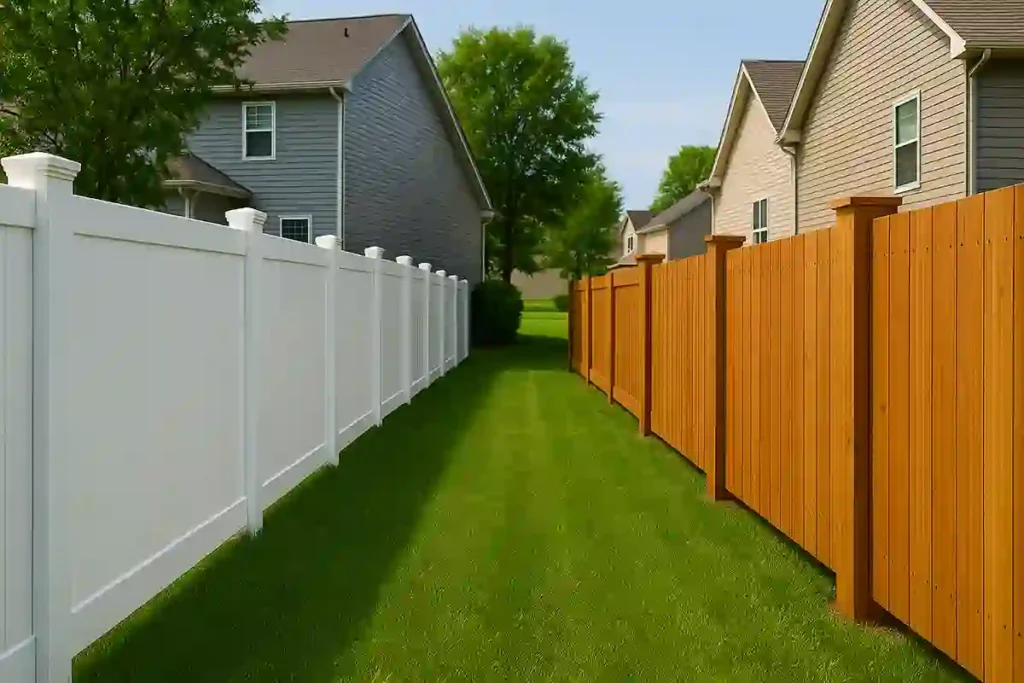
Composite mixes recycled wood fiber with recycled plastic. Relatively new fence material compared to wood and vinyl. Growing in popularity because of low maintenance and environmental angle.
Privacy composite uses solid boards similar to wood privacy fence. No gaps between boards. Six feet tall standard. Costs $30-45 per foot installed. Looks somewhat like wood but obviously manufactured. Some brands do better job mimicking wood grain than others.
Maintenance is minimal. Doesn’t need sealing or staining. Won’t rot or split. Doesn’t attract insects. Wash it occasionally, that’s it. Similar maintenance profile to vinyl but typically looks more natural than vinyl does.
Durability is excellent. Manufacturers warranty it for 25 years typically. Expected lifespan is 30-40 years based on current data. Material is too new to have 50-year track record but projections look good.
Composite costs more than wood, similar to vinyl. Makes sense for people who want wood appearance without wood maintenance or who care about recycled content environmental benefits.
Farm and Ranch Fencing Types
Agricultural fencing serves different purposes than residential fencing. Containing livestock, protecting crops, marking large property boundaries.
Woven wire uses horizontal wires held together by vertical stay wires. Creates strong flexible fence. Heights vary from three to six feet. Keeps livestock in, keeps predators out. Costs $2-5 per foot for materials, installation varies based on terrain. Common for cattle, sheep, goats, horses.
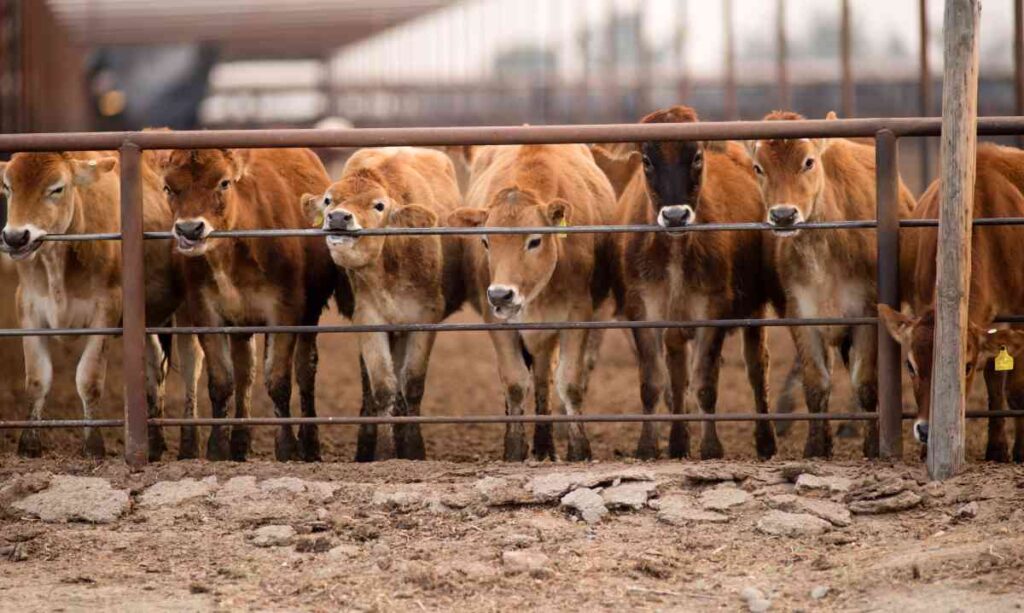
High-tensile wire uses smooth or barbed wire under tension between braced posts. Five to seven strands typical. Very economical for large perimeters. Costs $1-3 per foot. Works for cattle and horses. Not suitable for sheep or goats which can squeeze through or under.
Barbed wire is twisted wire with sharp barbs. Psychological barrier more than physical. Cattle and horses learn to avoid it. Four to five strands typical. Extremely economical at $0.75-2 per foot. Used extensively for large ranch properties. Not suitable near public areas or where animals might injure themselves.
Electric fence uses electrified wire or tape. Animals learn to avoid it after one or two shocks. Very economical. Can be temporary or permanent. Costs $0.50-2 per foot depending on system. Works well for rotational grazing, temporary paddocks, training horses to respect boundaries.
Split rail is three horizontal rails between posts. Decorative boundary for ranch properties. Keeps large animals contained but not small ones. Costs $10-20 per foot. Popular for properties wanting ranch aesthetic.

Temporary and Special Purpose Fencing
Some fence types serve temporary or specialized needs.
Construction fencing is chain link panels on portable bases. Marks construction zones, controls access, provides security. Rental typical rather than purchase. Used during building projects then removed.
Snow fencing is plastic mesh on posts. Controls snow drift, protects roads and driveways from drifting snow. Installed seasonally in fall, removed in spring. Costs $2-5 per foot. Common in rural Twin Falls areas where snow drift is problematic.
Deer fencing is tall woven wire or polypropylene mesh. Seven to eight feet tall to prevent deer jumping over. Protects gardens and crops. Costs $3-8 per foot depending on material. Essential for rural properties where deer damage is significant.
Temporary plastic fencing marks boundaries for events, controls crowds, creates barriers. Cheap and portable. Not structural fence, more like visible barrier tape.
Wire Fencing Beyond Chain Link
Welded wire mesh comes in various configurations. Different from chain link. Uses straight wires welded at intersections rather than woven.
Welded wire panels have horizontal and vertical wires welded together. Creates rigid rectangles. Stronger than chicken wire, weaker than chain link. Used for garden enclosures, small animal pens, backing for wood fences. Costs $3-8 per foot depending on gauge and spacing.
Chicken wire is thin-gauge woven hexagonal mesh. Very flexible.
Not strong. Works for keeping chickens and rabbits contained. Doesn’t stop predators. Very economical at $1-3 per foot. Only suitable for small animal containment, not structural fencing.
Hardware cloth is welded mesh with small openings. Quarter-inch or half-inch spacing. Keeps out rodents and snakes. Used for garden protection, predator-proofing coops. Costs $4-10 per foot. Functional rather than aesthetic.
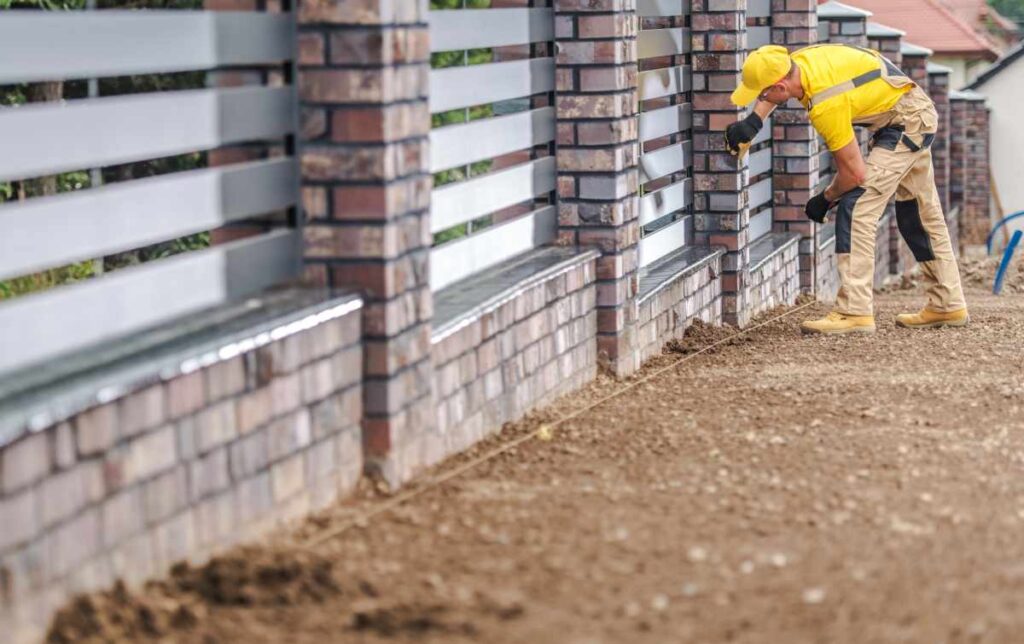
Masonry Walls Versus Fencing
Masonry walls aren’t technically fencing but serve similar purposes. Block walls, brick walls, stone walls. Much more expensive than fence but extremely durable.
Block walls use concrete blocks mortared together. Often stuccoed for appearance. Six feet tall typical for privacy. Costs $40-80 per linear foot installed. Very permanent. Total privacy and security. Sound barrier better than any fence. Common in southwestern states, less common in Idaho.
Brick walls cost even more, $60-100 per foot. Premium appearance. Extremely durable. Maintenance-free essentially. Overkill for most residential properties but appropriate for high-end homes or where architectural style demands it.
Stone walls vary wildly in cost depending on stone type. $50-150 per foot. Beautiful but expensive. Very permanent. Works well for specific architectural styles – Mediterranean, Tuscan, mountain contemporary.
Retaining walls that also provide boundary serve dual purpose. Costs depend on height and construction method. Not just fencing but also addressing grade change.
Most people pick fencing over masonry because of cost. Walls cost 2-4 times what fencing costs. But walls last longer and require less maintenance long-term.
Combining Fence Types
Sometimes mixing fence types makes sense. Different areas serve different functions.
Front yard picket or aluminum ornamental for curb appeal. Backyard privacy fence for actual privacy and function. This is common approach that satisfies both aesthetic and functional needs.
Chain link perimeter for large properties. Wood or vinyl privacy fence around immediate yard space. Keeps costs manageable while providing security and privacy where it matters.
Split rail with wire mesh backing. Gets decorative appearance of split rail with functional containment that plain split rail doesn’t provide. Common for properties with dogs that would slip through split rail.
Wood fence with wire mesh buried at bottom. Prevents dogs from digging under. Adds cost but solves specific problem cheaper than replacing fence after dog escapes repeatedly.
What Determines Fence Type Choice
Purpose comes first. Privacy, security, decoration, animal containment, property boundary marking. Be specific about primary function.
Budget is second major factor. Chain link costs half what wood costs. Wood costs two-thirds what vinyl costs. Masonry walls cost triple what vinyl costs. Your budget eliminates some options immediately.
Maintenance willingness matters. Hate maintenance? Eliminate wood. Don’t mind periodic work? Wood becomes viable option.
Property type and location. Rural property has different needs than suburban lot. Urban yard has different requirements than ranch property. Match fence type to property characteristics.
HOA and code requirements. Many subdivisions restrict or require specific fence types. City codes limit height and sometimes materials. Check regulations before deciding.
Existing landscaping and architecture. Fence should match or complement house style and yard design. Ultramodern aluminum looks wrong on traditional farmhouse. Split rail looks weird on contemporary urban lot.
Neighbor relations. Solid privacy fence facing neighbor’s yard makes statement. Open fence or low decorative fence maintains friendly appearance. Sometimes matters, sometimes doesn’t.
Common Mistakes Picking Fence Type
Choosing chain link when privacy is the actual goal. Chain link is cheapest but provides zero privacy. If privacy matters, spending more on wood or vinyl makes sense. Trying to save money with chain link then hating the result wastes money.
Installing split rail when you need dog containment. Split rail doesn’t contain dogs. Adding wire mesh backing fixes it but costs extra. Starting with right fence type saves money.
Picking decorative fence when function matters most. Aluminum ornamental looks nice but doesn’t block views, doesn’t reduce noise, doesn’t provide wind protection. If you need those things, decorative fence doesn’t deliver.
Ignoring maintenance requirements. People buy wood fence without accepting they need to seal it regularly. Fence fails prematurely because maintenance didn’t happen. Be honest about maintenance willingness before choosing materials.
Not checking codes and HOA rules. Installing fence that violates rules means tearing it down and starting over. Expensive mistake. Check first, build second.
Cheaping out on installation. Good materials installed poorly fail fast. Bad materials installed well last longer than good materials installed poorly. Installation quality matters more than material choice.
Twin Falls Climate and Fence Types
Dry climate here helps all fence types. Wood doesn’t rot fast. Metal doesn’t corrode quickly. Vinyl performs well. Main enemy is UV breaking down materials over time.
Wind affects fence choice. Twin Falls gets intense wind events. Solid fences catch more wind, need deeper posts and better bracing. Open fences like chain link and split rail handle wind better naturally. If wind is major concern, consider fence design that allows air through or use heavier posts and deeper setting.
Temperature swings stress materials differently. Vinyl expands and contracts noticeably. Wood cracks when too dry. Metal is unaffected. Composite handles temperature changes well. Factor this into material selection.
Snow and ice aren’t huge issues here but winter does happen. Snow loading can stress fences. Snowplows can damage fences. Mark fence lines clearly in winter if snow removal happens near fence.
UV is significant with 210 sunny days per year. Cheap materials degrade faster. Quality materials with UV protection last much longer. Worth paying for quality if fence is permanent installation.
Making Your Decision
List what you actually need fence to do. Privacy? Security? Dog containment? Property line marking? Decorative boundary? Wind break? Noise reduction? Be specific.
Set realistic budget including installation. Materials are half the cost. Professional installation is other half. DIY saves installation cost but requires tools, time, and skill.
Consider timeline. Staying long-term? Invest in quality materials. Selling in few years? Budget options work fine.
Check regulations before deciding anything. Codes, HOA rules, setbacks, height limits. Know what’s allowed.
Get quotes from multiple contractors. Compare based on installation quality not just price. Specs matter – post depth, concrete, fastener type, board spacing.
Talk to Twin Falls Fencing honestly about your needs and budget. We’ll tell you which fence types make sense and which don’t for your situation. No pressure to pick expensive options. Just real information based on what you’re trying to accomplish.
Fence type depends on your specific needs. Wood and vinyl dominate residential privacy applications. Chain link rules where budget is extremely tight or codes require it. Aluminum works for decorative boundaries. Composite appeals to people wanting low maintenance with natural appearance. Split rail and farm fencing serve rural and agricultural properties. Pick based on function first, budget second, aesthetics third. Get it installed right regardless of type because good installation matters more than material choice.