
Wood Fence Installation Cost in Twin Falls Explained
Wood fence installation in Twin Falls, Burley, Rupert and other Magic Valley cities runs roughly $25 to $60 per linear foot installed. A typical 150-foot backyard fence comes out somewhere between $3,750 and $9,000. That’s a big range, but there are lots of variables causing this.
Why so wide? A straight 6-foot privacy fence on flat open ground is a straightforward job. Add two gates, old concrete footings to break out, a sprinkler line running through the fence line, and soil that fights back — and you’re in a different project entirely. Same town, same fence style, different cost.
Online estimates give you a starting point. They can’t see your slope, your access, where the old posts are set, or whether there’s hardpan two feet down. Twin Falls Fencing installs, repairs, and plans wood fences locally, so you can get a number that actually fits your yard instead of a national average that may not apply here.
Quick wood fence cost ranges in Twin Falls
Wood fencing is usually priced by the linear foot. That means the length of the fence line matters more than the total size of your yard. A small yard that needs fencing on all sides may cost more than a larger property where only one side needs a fence.
Here are practical planning ranges for wood fence installation in Twin Falls and the surrounding Magic Valley area.
| Wood fence type | Typical installed cost per linear foot | Common use | Cost note |
|---|---|---|---|
| Split rail or post-and-rail | $18 to $35 | Rural edges, decorative boundaries, open property lines | Usually not private unless wire backing is added |
| 4-foot wood picket fence | $25 to $45 | Front yards, gardens, curb appeal | Decorative cuts and tighter spacing increase cost |
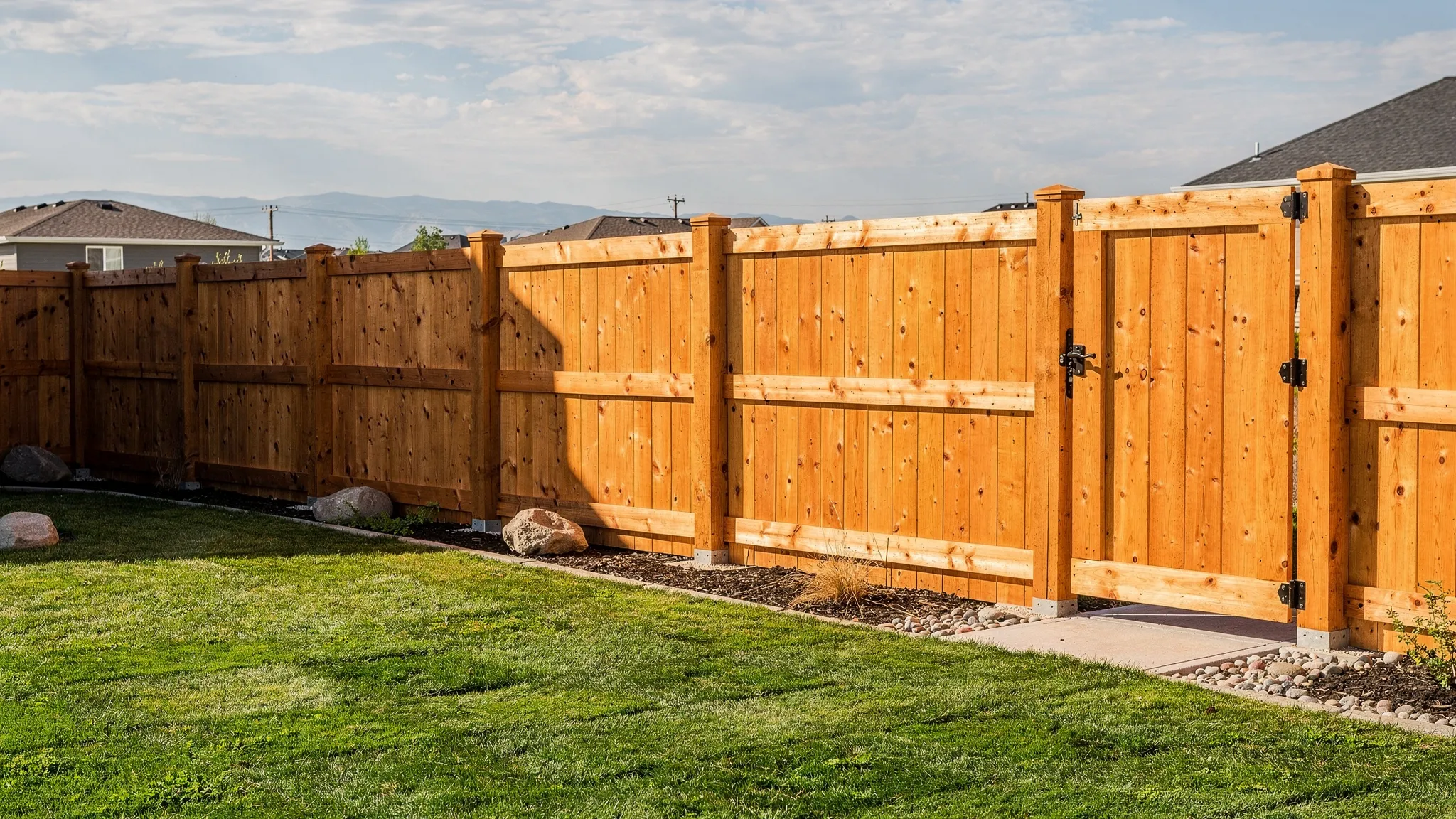
| 6-foot wood privacy fence | $32 to $60 | Backyards, pets, privacy, basic security | One of the most common residential options |
| Shadowbox wood fence | $38 to $65 | Semi-private fencing with a finished look on both sides | Uses more lumber and labor than basic privacy fencing |
| Board-on-board wood fence | $45 to $75+ | Better privacy and a heavier look | More boards, more labor, and stronger structural planning needed |
These are not guaranteed prices. Lumber prices move. Labor availability changes. Some yards are easy to work in. Some are slow. A quote that looks high at first may include removal, gates, haul-away, better materials, and stronger posts. A quote that looks low may not.
What is usually included in a wood fence estimate?
A good wood fence quote should not just say “150 feet of fence” and a total price. That is too thin. You need to know what is actually being installed.
Most complete wood fence installation quotes include posts, rails, pickets or boards, concrete, fasteners, layout, digging, labor, and basic cleanup. Gates may be included or priced separately. Old fence removal may be separate. Staining and sealing are often separate because not every homeowner wants it done immediately, and some wood needs time before finishing.
A simple way to think about the price is:
Total project cost = linear feet × installed price per foot + gates + removal + site difficulty + optional finishing
That formula is not perfect, but it explains why two homes can get different prices for what sounds like the same fence. If one homeowner needs one clean 100-foot run and another needs 100 feet with three corners, one gate, old concrete removal, and a slope, the second project takes more time and material.
The main things that change wood fence installation cost
Linear footage and layout
Length is the first number. If you need 200 feet of fence, it will usually cost more than 80 feet. That part is obvious. The less obvious part is layout.
Straight runs are faster. Corners take more measuring and more posts. Fencing around sheds, landscaping, retaining walls, alley access, or tight side yards takes more time. If the crew has to carry materials by hand through a narrow gate instead of staging them near the fence line, that can affect labor too.
Before getting a quote, try to decide exactly where the fence should go. If the layout changes after the estimate, the price may change too.
Fence height
A 6-foot privacy fence costs more than a 4-foot picket fence because it needs more material. Taller posts. More boards. Often more rails. More concrete. More weight on the structure.
Height also matters for rules. Front yard fencing, corner lots, alley visibility, easements, and HOA requirements can all affect what you are allowed to build. The City of Twin Falls is a good starting point for local information, but your exact property may have additional restrictions.
Do not assume that because a neighbor has a certain fence, you can build the same one. Their lot may be different. Their fence may be older. Their HOA may not apply to your property.
Wood type and grade
Wood choice changes the upfront cost and the long-term cost. Pressure-treated lumber is often used because it is more affordable and made to resist decay, especially for posts or structural parts. Cedar usually costs more, but it is popular because of its appearance and natural resistance to insects and rot.
Grade matters too. Cheaper boards can look fine at delivery and still cause problems later. Warping, twisting, heavy knots, splitting, and uneven appearance are more likely when lower-grade lumber is used. Twin Falls has sun, wind, dry weather, winter moisture, and irrigation exposure. Wood moves in those conditions.
A lower bid based on weaker material may save money at first and then cost more in repairs. Not always. But often enough that it is worth asking what exact lumber is included.
Fence style
A basic privacy fence is usually less expensive than a shadowbox or board-on-board design. Board-on-board fencing overlaps boards to reduce gaps. It looks more finished and provides better privacy, but it uses more wood. More wood means more material cost and more labor.
Shadowbox fencing alternates boards on each side of the rails. It looks more balanced from both sides, which can be useful when neighbors share the view. But again, more material.
If privacy is your main goal, ask how the design handles natural wood movement. Wood shrinks and expands. A privacy fence that looks tight on day one may show gaps later. That does not always mean it was built wrong, but design and material selection can reduce the issue.
Post depth, spacing, and concrete
Posts are where cheap work can become expensive later. A wood fence can have nice boards and still fail if the posts are poorly set.
Post depth, spacing, alignment, drainage, concrete amount, and soil conditions all matter. Twin Falls properties may have hard soil, rocky areas, wind exposure, irrigation moisture, and freeze-thaw movement. If posts are too shallow or too far apart, the fence may start leaning. If concrete is poorly placed or drainage is ignored, rot can become a problem near the base.
This is one of the worst places to cut corners. You may not notice poor post work immediately. Six months later, after wind and weather, you may.
Gates and hardware
Gates add cost because they are not just fence panels with hinges. They need stronger posts, proper bracing, quality hardware, and good alignment. A bad gate is one of the first things homeowners notice because it drags, sags, sticks, or will not latch.
A simple walk gate may add a few hundred dollars. Wider double gates, vehicle access gates, decorative gates, and heavy-duty hardware can add more. If you need access for a trailer, mower, RV pad, trash bins, or equipment, say that before the quote is written.
Changing gate size after construction starts is not a small change. It can affect posts, spacing, and the whole section layout.
Old fence removal
Removing an old wood fence can be simple, or it can be slow and unpleasant. Rotten boards may come down quickly, but old posts set deep in concrete can take real work. Disposal also costs money.
Some quotes include tear-out and haul-away. Some do not. Ask. If an estimate is much lower than another, this is one of the first items to check.
If your existing fence is only damaged in a few spots, full replacement may not be needed. A repair could be enough. Twin Falls Fencing has a guide on fence repair cost that can help you compare repair versus replacement before spending more than necessary.
Soil, slope, sprinklers, and access
Flat yards with open access are usually cheaper. Sloped yards need more layout work. The fence may need to be stepped, where each section drops down like stairs, or racked, where the panel follows the grade. Both methods take planning.
Sprinkler lines are another issue. Fence posts need holes, and sprinkler systems are often closer to fence lines than homeowners remember. Tree roots, retaining walls, buried concrete, rocks, and tight access can also slow the job down.
Before digging, utility marking is important. Homeowners and contractors can use 811 to help identify underground utilities before post holes are dug. It does not mark every private line, such as some sprinkler lines, but it is still an important step.
Sample wood fence budgets
These examples are for planning only. Your actual price can be lower or higher after an on-site review.
| Project example | Typical scope | Planning range |
|---|---|---|
| Small side-yard fence | 50 linear feet of 6-foot wood privacy fence with one walk gate | $1,900 to $3,800 |
| Standard backyard section | 100 linear feet of 6-foot wood privacy fence | $3,200 to $6,000 |
| Common backyard project | 150 linear feet of 6-foot wood privacy fence with one gate | $4,800 to $9,000 |
| Larger perimeter fence | 200 linear feet of privacy fencing with multiple gates | $6,800 to $13,000+ |
| Upgraded privacy fence | 150 linear feet of board-on-board or cedar-style fencing | $6,750 to $11,250+ |
The low end usually assumes a straightforward layout, standard materials, easy access, and limited extras. The high end may include better wood, removal, gates, difficult digging, extra corners, slope work, or upgraded hardware.
Wood vs vinyl vs chain link cost
Wood is often cheaper upfront than vinyl privacy fencing. It also gives homeowners more flexibility with height, board style, stain color, and custom details. That is one reason wood remains popular in Twin Falls.
But wood is not maintenance-free. It needs inspection, cleaning, and occasional sealing or staining. Boards can warp. Posts can rot. Gates may need adjustment. If you ignore it, the fence ages faster.
Chain link is often cheaper if privacy is not the main concern. Vinyl usually costs more upfront than basic wood, but it has lower maintenance demands over time. The right choice depends on what matters most: upfront cost, privacy, appearance, maintenance, pets, security, or long-term value.
For a broader comparison, Twin Falls Fencing has guides on types of fencing and vinyl vs wood fencing.
DIY wood fence installation vs hiring a professional
DIY can save labor cost. That is real. But it does not make the fence free, and it does not remove the hard parts.
You still have to buy materials. You may need to rent an auger, buy levels, string lines, saws, fasteners, concrete, and safety gear. You need to measure accurately. You need to keep posts aligned. You need to brace gates correctly. You need to avoid utilities, easements, and property line problems.
For a short, simple fence on flat ground, DIY may make sense if you have time and patience. For privacy fencing, long runs, gates, slopes, or replacement work, professional installation is usually safer.
| Option | Main advantage | Main drawback | Best fit |
|---|---|---|---|
| DIY installation | Lower labor cost | More time, tools, layout risk, and possible mistakes | Short, simple sections on flat ground |
| Professional installation | Better layout, speed, structural consistency, and cleaner finish | Higher upfront cost | Privacy fences, gates, slopes, old fence removal, larger yards |
A poorly installed wood fence can cost more than hiring a pro in the first place. Leaning posts, sagging gates, uneven lines, and building across a property line are not small problems.
Common mistakes that raise the final cost
One mistake is shopping only by the lowest number. That usually leads to confusion because not all bids include the same things. One contractor may include removal and haul-away. Another may not. One may quote cedar. Another may quote lower-grade treated pickets. One may use stronger posts. Another may space them farther apart.
Another mistake is forgetting gates. Homeowners sometimes ask for a fence price, then add gates later. Gates can change the layout and cost. Decide where you need access before finalizing the design.
Property lines are also a big one. A fence installed in the wrong place can cause neighbor disputes or even require removal. If the line is unclear, get it verified before installation.
Sprinklers get missed too. If sprinkler heads spray directly on the fence every day, the wood may age faster. If buried irrigation lines are in the post path, the job can get delayed or more expensive.
The last common mistake is skipping maintenance. Wood fences need care. Even a well-built fence can fail early if sprinklers soak it, soil piles up against it, loose boards are ignored, or the finish is never maintained.
How to control cost without building a weak fence
You can reduce cost without choosing poor materials or poor installation. The first step is picking the right fence for the actual need. If you only need a boundary marker, split rail may be enough. If you need privacy for pets, kids, or a backyard living area, a standard 6-foot privacy fence may be the better spend.
Keep the layout simple where possible. Fewer corners and fewer gates usually mean lower cost. If the whole project is too expensive at once, ask whether phasing the fence is practical. You might install the most important sides first and finish the rest later.
Do not cut back on posts, gate hardware, or concrete quality. Those parts are not exciting, but they carry the fence. A simpler style built correctly is usually a better value than an upgraded style built weakly.
Also ask about timing. Spring and early summer can be busy. If you want a fence before peak outdoor season, get the estimate early. Fall can also be a good time to install before winter weather slows projects down.
Long-term maintenance costs to remember
Wood fence installation cost is not just the day-one price. Maintenance matters. Twin Falls weather can be hard on wood because of sun, wind, snow, temperature swings, and irrigation exposure.
Inspect the fence at least once a year. Look for loose boards, cracked rails, leaning posts, gate sag, rusting hardware, rot near ground contact, and sprinkler overspray. Fixing small issues early is usually cheaper than waiting until a whole section fails.
Staining or sealing may be needed every few years depending on the wood, finish, exposure, and product used. Some homeowners like the natural weathered look, but unfinished wood can dry, crack, and absorb moisture more easily. Ask your installer what finish schedule makes sense for the wood you choose.
For more local care advice, see the Idaho fence maintenance guide. If you are comparing materials by lifespan, Twin Falls Fencing also explains how long a fence should last in Twin Falls.
Questions to ask before accepting a quote
Before you approve a wood fence estimate, make sure you understand what is included. A clear quote protects both sides. It also makes it easier to compare contractors fairly.
Ask these questions:
- What wood species and grade are included?
- What post size, post spacing, and post depth will be used?
- Are gates, hinges, latches, and bracing included?
- Is old fence removal included or separate?
- Is haul-away included?
- Is staining or sealing included, optional, or recommended later?
- How will slope, drainage, sprinklers, and tight access be handled?
- Who is responsible for confirming property lines, easements, HOA rules, and permits?
If the answer is vague, slow down. A fence is a permanent structure. You should know what you are paying for before work starts.
Frequently asked questions
How much does a 6-foot wood privacy fence cost in Twin Falls? A 6-foot wood privacy fence commonly costs about $32 to $60 per linear foot installed. A 150-foot project often falls around $4,800 to $9,000, depending on wood type, layout, gates, removal, and site conditions.
Why do wood fence quotes vary so much? Quotes vary because each property is different. Linear footage, soil, slope, access, gates, old fence removal, wood grade, post depth, and fence style all affect price.
Is cedar more expensive than pressure-treated wood? Usually, yes. Cedar often costs more upfront, but many homeowners like its appearance and natural resistance to decay. Pressure-treated wood is commonly used when budget and structural durability are priorities.
Do I need to stain a new wood fence right away? It depends on the wood and moisture content. Some wood should dry or weather before staining. Some may be ready sooner. Ask your installer what timing fits the material and current conditions.
Do I need a permit for a wood fence in Twin Falls? Requirements can depend on fence height, location, lot type, HOA rules, easements, and visibility near streets or alleys. Check local rules before building.
Is repairing an old wood fence cheaper than replacing it? Sometimes. If only a few boards, rails, or posts are damaged, repair may be enough. If the fence has widespread rot, leaning posts, or repeated failures, replacement may be the better long-term choice.
Get a local wood fence estimate in Twin Falls
Online cost ranges help with early budgeting, but your property decides the real number. Fence length, style, wood type, gates, digging conditions, access, removal, and finishing all matter.
Twin Falls Fencing helps homeowners and property owners plan wood fence installation, repair, and replacement with local conditions in mind. If you want a clear price instead of a rough guess, request a free fencing consultation through Twin Falls Fencing and get a local estimate for your project.